Is Your Website Loading Too Slowly? Improve Website Speed with Professional Optimization
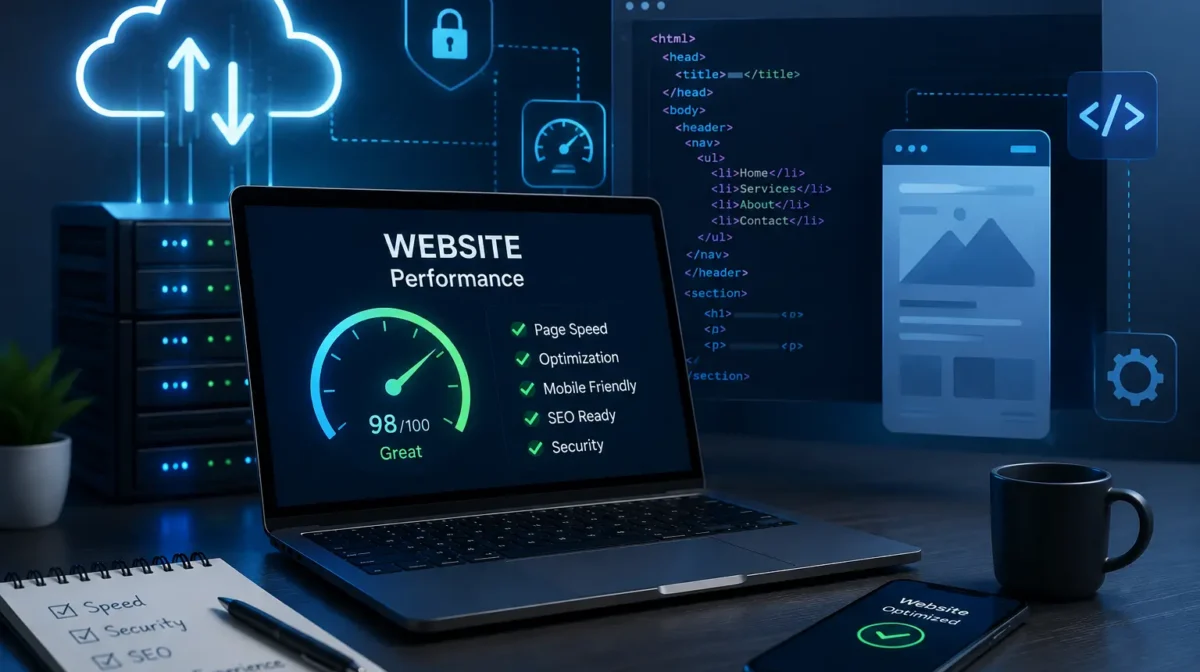
In today’s digital world, website speed plays an important role in the success of any online business. When visitors search for products or services on Google, they expect websites to load quickly and provide a smooth browsing experience. If your website takes too long to open, visitors may lose patience and leave before exploring your services.
A slow-loading website does not just create a poor user experience. It can also affect customer engagement, conversions, and your overall online performance. Whether you run a small business, an online store, or a professional service company, having a fast and responsive website is essential.
Professional Website Speed Optimization helps identify performance issues and improve your website’s loading time, making it easier for visitors to explore your business and connect with you.
Why Is Website Speed Important?
Imagine a potential customer searching for your services on Google. They find your website, click the link, and wait several seconds for the page to load. If the website remains slow, they may return to Google and visit another business instead.
This means you could lose a potential customer simply because your website is not performing properly.
Website speed matters for several reasons:
- Better User Experience: Visitors can browse your website without unnecessary delays.
- Lower Bounce Rates: Faster pages can encourage visitors to explore more sections of your website.
- Improved Engagement: Customers can easily view your services, products, images, and contact information.
- Better Conversion Opportunities: A smooth browsing experience makes it easier for visitors to take action.
- SEO Performance: Website speed contributes to Google’s page experience considerations and is one of several factors that can influence search visibility.
A fast website creates a positive first impression and helps build trust with potential customers.
What Causes a Website to Load Slowly?
There are several reasons why a website may take too long to load. Identifying the actual cause is the first step toward improving its performance.
1. Large and Unoptimized Images
Images make websites attractive and help businesses present their products and services. However, uploading large image files without optimization can increase page loading time.
For example, a high-resolution image that is several megabytes in size may take longer to load, especially for visitors using mobile data or slower internet connections.
Image compression, resizing, and modern image formats can help reduce file sizes while maintaining suitable visual quality.
2. Too Many WordPress Plugins
WordPress plugins provide useful features, but installing too many unnecessary plugins can affect website performance.
Some plugins load additional scripts, styles, and resources that increase page loading time. In certain cases, poorly developed or outdated plugins may also create compatibility and performance problems.
Removing unused plugins and keeping essential tools updated can help maintain a cleaner and faster website.
3. Outdated Themes and Website Design
An outdated website theme may contain unnecessary code, poorly optimized features, or compatibility issues.
Some themes also include features that a business does not actually need. These extra resources can affect website performance.
Using a lightweight, well-maintained theme and an optimized design can help improve loading speed and provide a smoother experience.
4. Poor Hosting Resources
Your hosting service plays an important role in website performance. If your hosting server has limited resources or responds slowly, your website may also load slowly.
Shared hosting environments can sometimes experience performance limitations, particularly when server resources are heavily used.
Reviewing hosting resources and choosing a suitable hosting solution can help improve server response time and overall website reliability.
5. Unoptimized Code and Scripts
Websites use different files and scripts to display content and provide interactive features. However, unnecessary CSS, JavaScript, and other resources can increase the amount of data a browser needs to process.
Optimizing website files, reducing unnecessary scripts, and improving how resources load can help make pages faster and more efficient.
How Professional Website Speed Optimization Helps
Website speed optimization involves reviewing different parts of a website to identify performance problems and apply suitable improvements.
At Dolphin Advertisers, we focus on practical website performance improvements that help businesses deliver a better browsing experience.
Our website speed optimization services may include:
1. Image Compression and Optimization
We review website images and optimize their file sizes to reduce unnecessary loading time. Where appropriate, we use modern image formats and suitable dimensions to help pages load more efficiently.
2. Reducing Unnecessary Plugins and Scripts
We review installed plugins and website scripts to identify unnecessary resources. Removing unused plugins and reducing excessive scripts can help improve website performance.
3. Improving Website Caching
Caching allows certain website resources to be stored temporarily so that visitors do not need to download everything again on every visit.
Proper caching settings can help reduce repeated processing and improve loading performance.
4. Optimizing Website Files and Resources
We review website CSS, JavaScript, and other resources to identify opportunities for optimization. Techniques such as minification and reducing unnecessary files may help improve performance.
5. Reviewing Hosting and Server Performance
We assess hosting-related performance issues, including server response time and available resources. If hosting limitations are affecting your website, we can help identify areas that may need improvement.
6. Improving Page Loading Performance
We review how important website content loads and identify opportunities to improve the visitor experience. This may include optimizing above-the-fold content, reducing render-blocking resources, and improving loading behavior on different devices.
How Can You Check Your Website Speed?
You do not need to guess whether your website is slow. Several online tools can help you evaluate its performance and identify possible issues.
Some useful website speed testing tools include:
- Google PageSpeed Insights: Analyzes website performance on mobile and desktop devices and provides optimization suggestions.
- GTmetrix: Provides performance reports and helps identify resources that may be slowing down your website.
- WebPageTest: Offers detailed website loading analysis and performance information.
These tools can help you understand your website’s current performance. However, improving the results may require technical knowledge and careful optimization.
It is also important to remember that a single speed score does not tell the whole story. Real user experience, server performance, mobile loading, and page functionality should all be considered.
Why Should Your Business Invest in Website Speed Optimization?
Your website represents your business online. When potential customers visit it, they expect to find information quickly and navigate between pages easily.
A slow website can create frustration and reduce the chances of visitors exploring your products or services. On the other hand, a well-optimized website provides a smoother experience and helps customers find what they need.
Website speed optimization is not only about improving a score on a testing tool. It is about making your website more accessible, efficient, and user-friendly.
Whether you own a business website, an online store, or a service-based website, improving performance can support your long-term digital goals.
Get Professional Website Speed Optimization with Dolphin Advertisers
Is your website taking too long to load? Are visitors leaving before viewing your services? It may be time to review your website performance.
Dolphin Advertisers helps businesses improve their online presence through professional website design and development, website optimization, SEO, domain and hosting, and other digital marketing services.
Our goal is to help businesses create websites that are attractive, user-friendly, and performance-focused.
Do not let a slow website create a poor first impression. Improve your website performance and make it easier for potential customers to explore your business.